SYSTEM_LOADING
[|||]
Decrypting Data Stream...
Decrypting Data Stream...
Creatine is the most researched and effective muscle-building supplement in the world. Learn what creatine is, how it works, correct dosage, loading myths, safety facts, brain benefits, FAQs, and the best creatine supplements in India.
Creatine is a naturally occurring compound made from amino acids and stored primarily in skeletal muscles and the brain. It helps regenerate ATP (adenosine triphosphate), the body’s primary energy source for short, high-intensity activities like weight training and sprinting.
Yes. The body produces small amounts of creatine in the liver, kidneys, and pancreas. However, natural production plus diet is not enough to fully saturate muscle creatine stores, especially for active individuals.
Creatine is found in animal foods such as red meat, chicken, pork, and fish. Vegetarians and vegans consume almost no dietary creatine, making supplementation especially beneficial for them.
To obtain 3–5 g of creatine from food alone, one would need to eat very large quantities of meat daily. Supplementation is the most efficient, affordable, and scientifically proven way to maximize muscle creatine levels.
The recommended dose of creatine is 3–5 grams per day. This dose is safe for long-term use and effective for strength, muscle growth, and performance.
Creatine timing is flexible. You can take it before or after workouts, or any time during the day. The most important factor is daily consistency. Many people prefer post-workout or with a meal for better adherence.
Creatine loading involves taking 15–20 g per day for 5–7 days to rapidly saturate muscles, followed by a maintenance dose. While loading works, it is completely optional.
No. Loading is not required. Taking 3–5 g daily will fully saturate muscles within 3–4 weeks with fewer digestive issues.
Creatine increases strength, muscle mass, power output, training volume, and recovery. It also improves cellular hydration, supports lean mass retention, and enhances workout performance.
Creatine supports brain energy metabolism and has shown potential benefits in neurological conditions such as Alzheimer’s disease, Parkinson’s disease, depression, and traumatic brain injury. Research suggests creatine may improve memory, mental fatigue, and cognitive resilience.
Creatine does NOT cause hair loss, kidney damage, dehydration, or liver issues in healthy individuals. The hair fall myth originates from a single poorly designed study. Creatine is one of the most researched and safest supplements in existence.
In older adults, creatine improves muscle strength, balance, bone density, and lean mass, helping reduce fall risk and age-related muscle loss (sarcopenia).
Creatine monohydrate is the gold standard and most researched form. Other types such as creatine HCL, ethyl ester, buffered creatine, or liquid creatine show no proven advantages over monohydrate.
No, creatine does not require cycling. You can take it year-round without any negative effects on your body's natural production.
Yes, but inside muscles (intramuscular water retention), which is a GOOD thing. It improves muscle volume, hydration, and visible size. It does not cause subcutaneous (under the skin) bloating.
Yes. There is no real-world evidence that caffeine cancels out creatine's benefits. Many pre-workouts contain both successfully.
Yes. Studies spanning 5+ years have shown no adverse effects in healthy individuals. It is one of the safest supplements available.
Just stay normally hydrated using thirst as your guide. There is no need to drink gallons of water just because you are taking creatine.
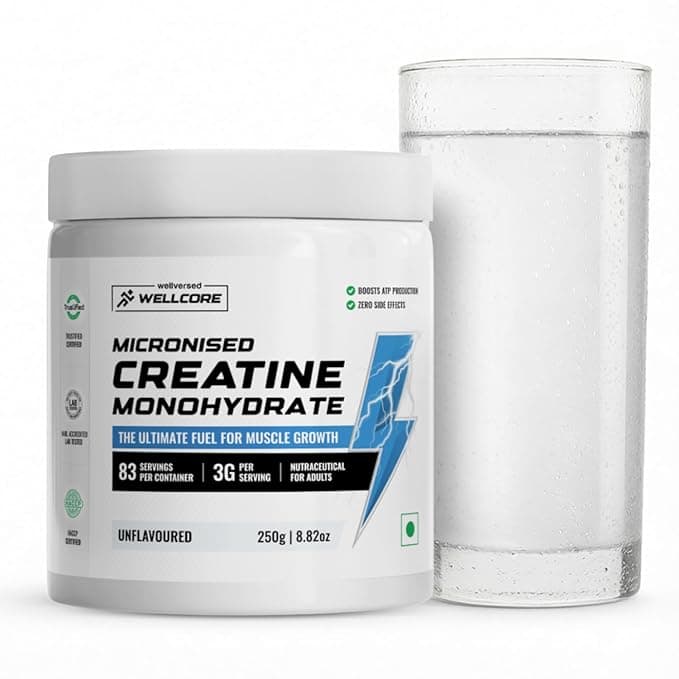
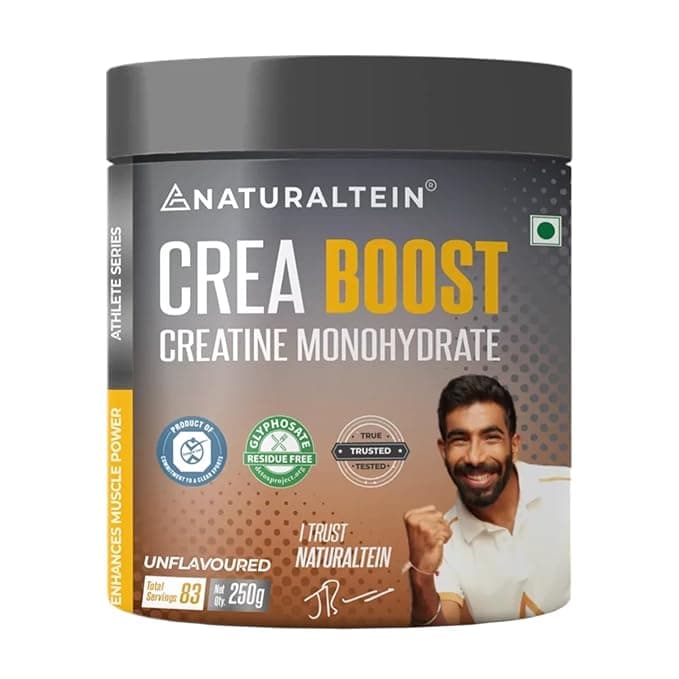
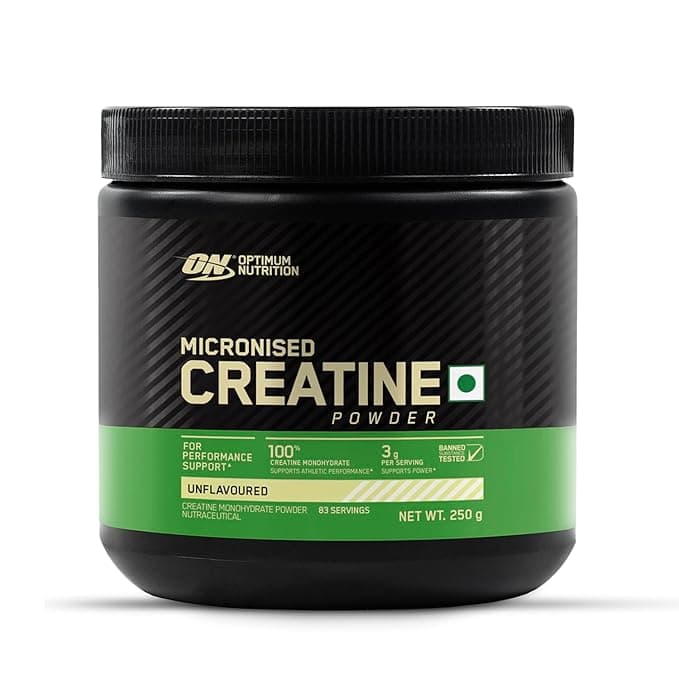
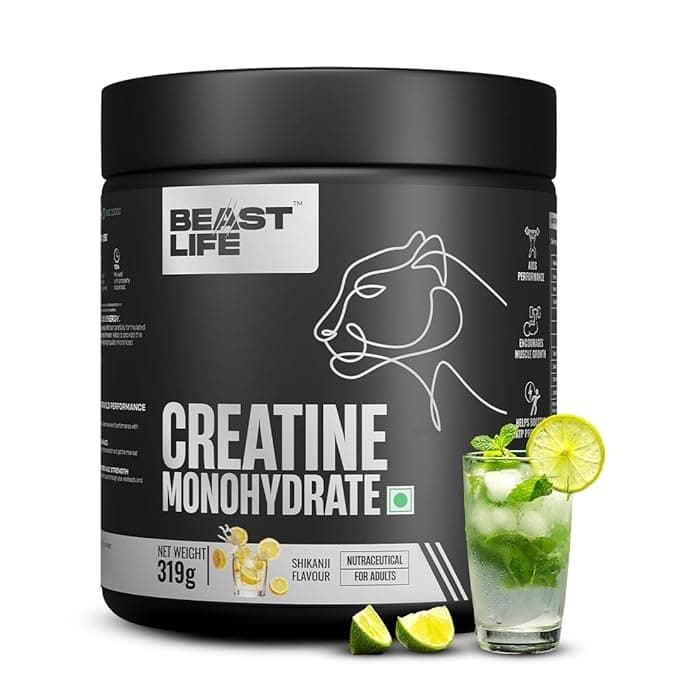
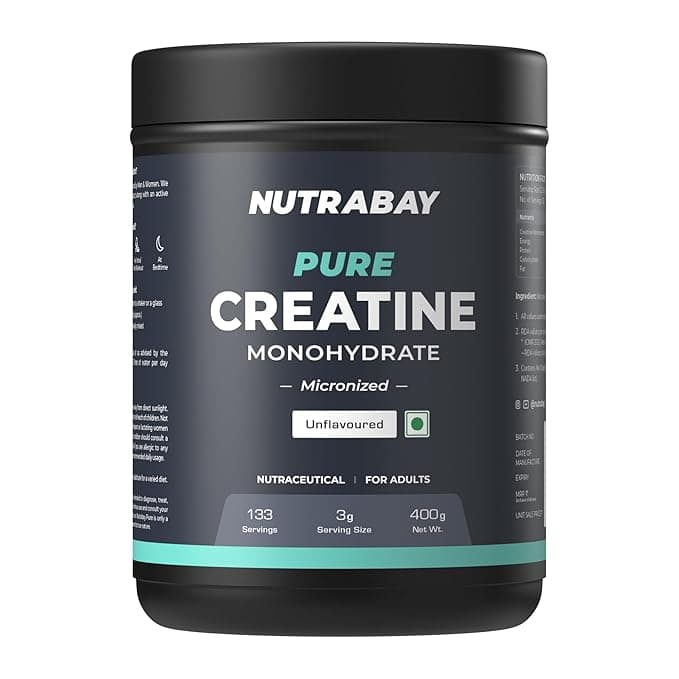
Final Takeaway: Creatine is safe, effective, and essential for strength, muscle growth, brain health, and healthy aging. Stick to creatine monohydrate, take 3–5 g daily, skip unnecessary loading, and stay consistent.