SYSTEM_LOADING
[|||]
Decrypting Data Stream...
Decrypting Data Stream...
Why most Indians are deficient in Vitamin D3, how much you need, and the best D3 supplements to choose.
Why most Indians are deficient in Vitamin D3, how much you need, and the best D3 supplements to choose.
Vitamin D3 (cholecalciferol) is a fat-soluble vitamin that works more like a hormone in the body. It plays a key role in bone strength, muscle function, immunity, hormone balance, and recovery. Your body naturally produces Vitamin D3 when your skin is exposed to sunlight — but modern lifestyles make this increasingly difficult.
Even with plenty of sunlight, Vitamin D3 deficiency is extremely common in India due to indoor work culture, air pollution blocking UVB rays, darker skin pigmentation (which requires more sun exposure to synthesize D3), sunscreen use, very few natural food sources, and lack of routine supplementation. Many Indians have low or borderline D3 levels without knowing it.
Vitamin D3 is essential for proper calcium absorption, strong bones and teeth, muscle contraction and strength, immunity and inflammation control, hormonal balance including testosterone, and overall energy levels and recovery. Low D3 can cause fatigue, muscle weakness, joint pain, poor recovery, and frequent illness.
Natural sources of Vitamin D3 include sunlight exposure for 15–30 minutes on arms and legs during midday, fatty fish such as salmon and sardines, egg yolks, fortified milk and dairy products, and cod liver oil. Diet alone is usually not enough to fix deficiency.
General adults require around 600–800 IU per day. Most Indians benefit from 1000–2000 IU daily for maintenance. Deficient individuals are often prescribed higher therapeutic doses under medical guidance. A blood test measuring 25-OH Vitamin D is the most accurate way to know your status.
For gym-goers and athletes, Vitamin D3 supports increased muscle strength, faster recovery, stronger bones under heavy lifting, improved testosterone levels, reduced injury risk, and better immunity during intense training. Low D3 levels often result in slower gains and higher fatigue.
Yes. A 60,000 IU Vitamin D3 dose taken once per week is a commonly prescribed protocol for gym-goers with low D3 levels, people with confirmed deficiency, and faster correction over 6–8 weeks. It should be taken with a fat-containing meal and ideally under medical supervision.
Vitamin D3 increases calcium absorption, but Vitamin K2 ensures that calcium is deposited into bones rather than arteries. Without K2, calcium may accumulate in arteries over time. Combining Vitamin D3 with Vitamin K2 improves bone density, cardiovascular safety, and long-term supplementation outcomes.
Office workers with indoor lifestyles, gym-goers and athletes, elderly individuals, people with frequent illness, joint pain, fatigue, low energy levels, or anyone with low blood Vitamin D3 levels should consider supplementation.
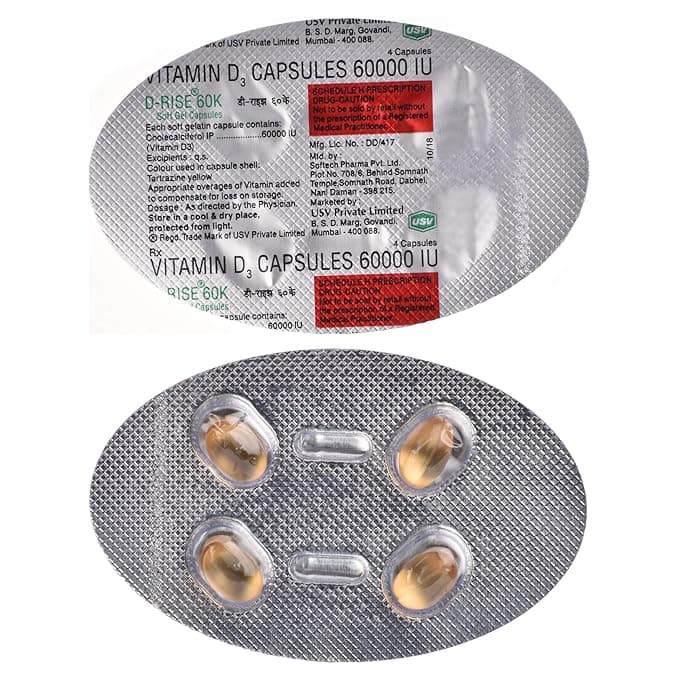

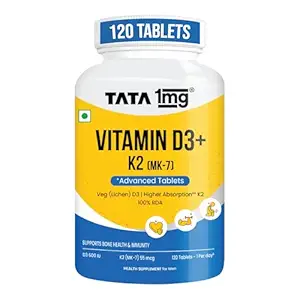

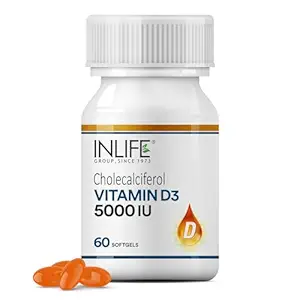
Final Takeaway: Vitamin D3 is not optional for most Indians — it is essential. For gym-goers, it directly affects strength, recovery, hormones, and immunity. Fix deficiency first using 60K IU weekly if needed, maintain smartly with daily D3 or D3 + K2, and always pair Vitamin D3 with Vitamin K2 for long-term safety.